A Case Study: Venezuela
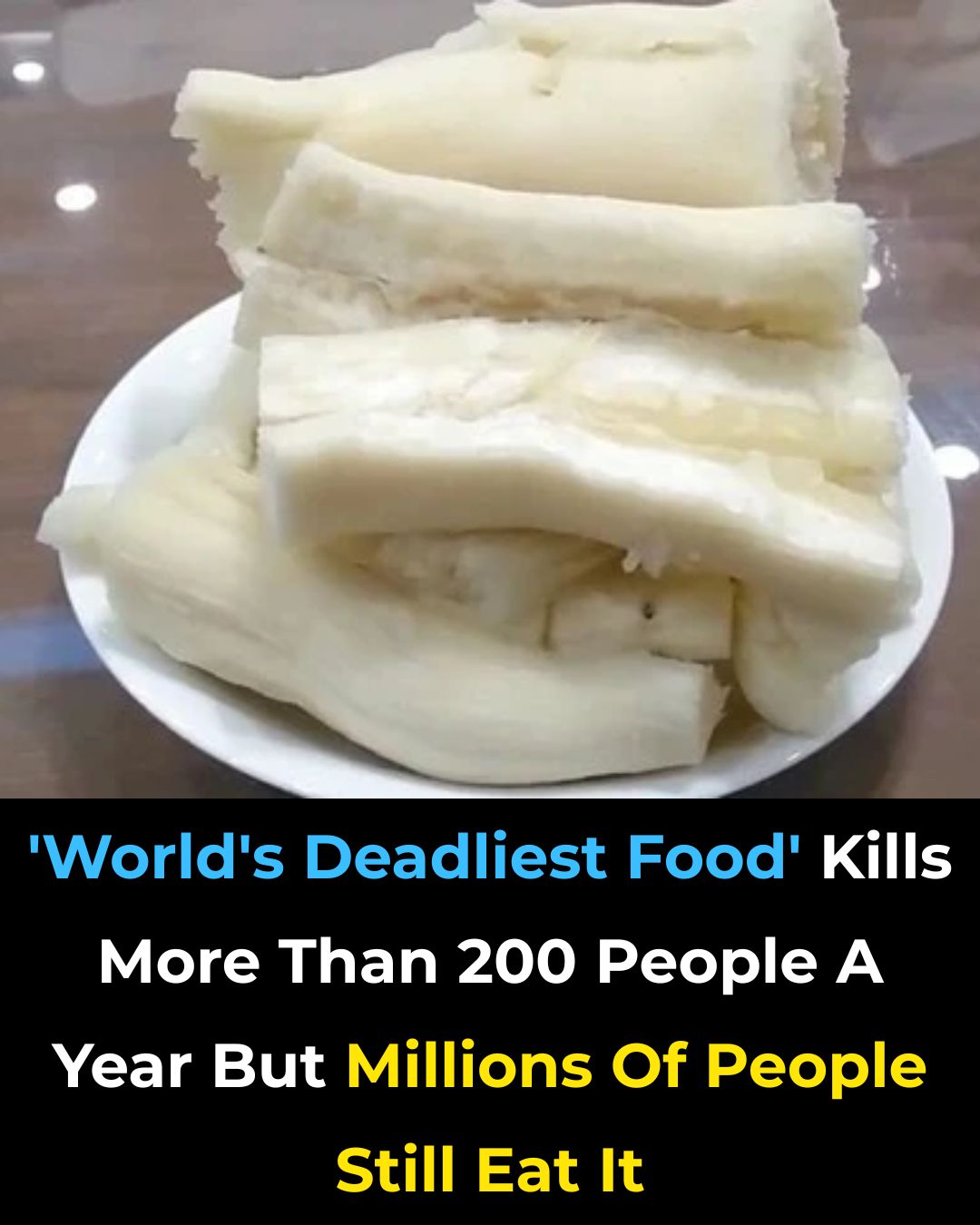
In Venezuela, as reported by El País, people were consuming cassava in its dangerous form because they relied on salty foods to survive during times of food scarcity. The economic crisis led many to skip proper processing methods, increasing the risk of cyanide poisoning.
This highlights a tragic paradox: the very conditions that make cassava a lifeline—famine, poverty, war—are also the conditions that increase the likelihood of improper preparation and subsequent poisoning.
The Global Impact
| Statistic | Number |
|---|---|
| Annual deaths from cassava poisoning | ~200 |
| Annual consumers of cassava | ~500 million |
| Annual global cassava production | Hundreds of millions of tons |
| Primary growing regions | Africa, Asia, Latin America |
The Bottom Line
While cassava remains a critical food source for millions—particularly in food-insecure regions—understanding and practicing safe preparation methods is essential. When properly processed, cassava is a nourishing, filling, and safe part of the diet.
As awareness spreads about the risks associated with cassava, the methods for properly processing it are becoming more widely practiced, reducing the dangers of poisoning. Education, access to clean water for soaking, and alternative protein sources (which help the body detoxify cyanide) are key to preventing future cases of konzu and cyanide poisoning.
Final Thoughts
The "world's deadliest food" is also one of the world's most important food security crops. Cassava's story is not one of simple danger, but of resilience, adaptation, and the profound importance of traditional knowledge.
For the hundreds of millions who depend on it, cassava is not a curiosity or a risk to avoid—it is survival. And with proper preparation, it can be survival without sacrifice.
Knowledge is the difference between nourishment and poison. When it comes to cassava, tradition has taught us well—but only when we listen.