The Devastating Consequences: Konzo
Cyanide poisoning from cassava is linked to several severe health conditions, most notably konzo.
| Condition | Description |
|---|---|
| Konzo | A debilitating, irreversible condition marked by sudden paralysis in the legs |
| Cause | Consumption of bitter cassava, especially when combined with a low-protein diet |
| Occurrence | Most common in regions suffering from extreme poverty; can occur sporadically or in epidemics |
| Outcome | Permanent disability; no known cure |
Konzo is particularly devastating because it often strikes children and women of childbearing age, leaving them permanently disabled and dependent on others for basic care.
How to Make Cassava Safe to Eat
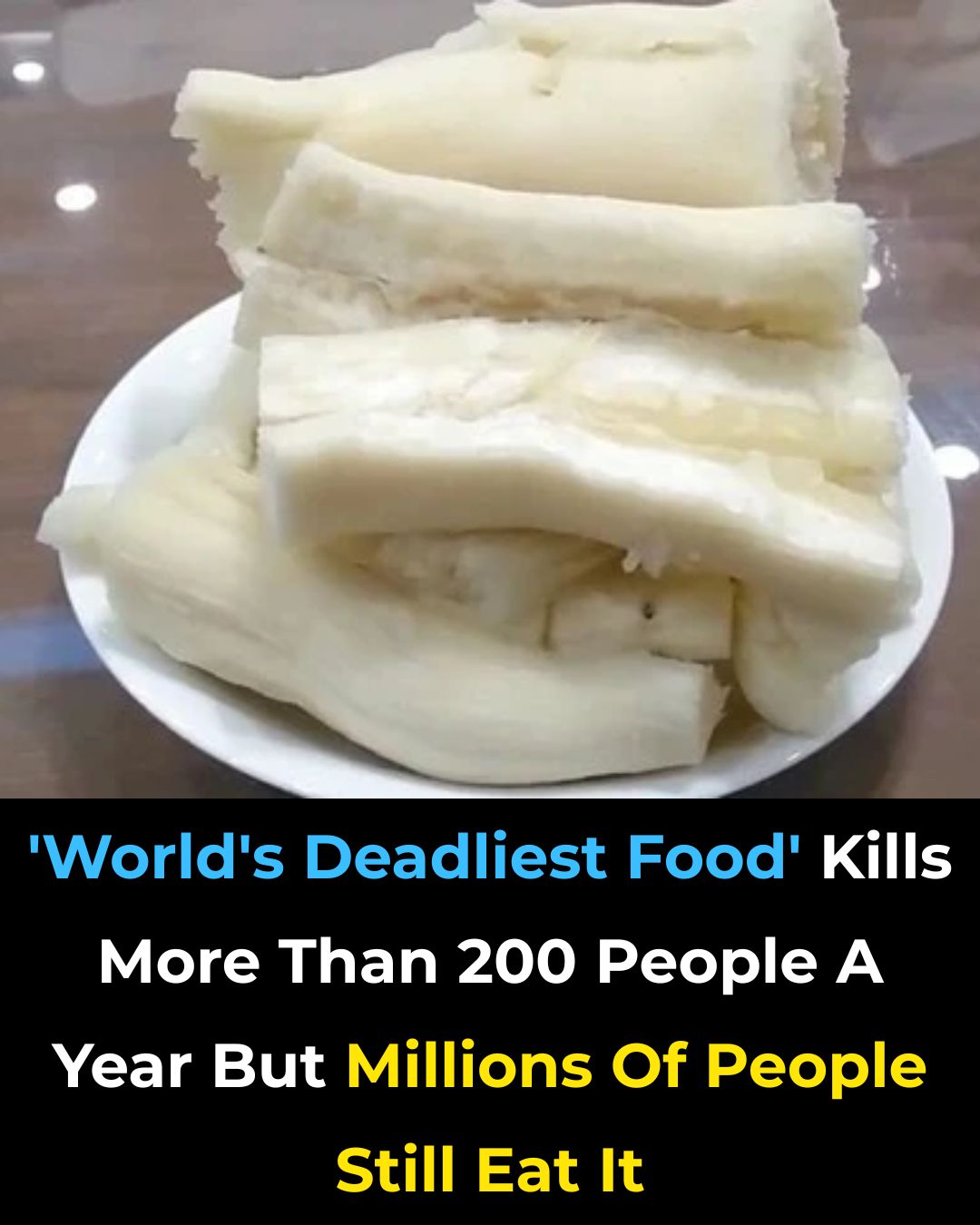
Despite its deadly reputation, millions of people continue to eat cassava every day without issue. The key lies in proper preparation.
Safe Preparation Methods
| Step | Description |
|---|---|
| Peeling | Remove the toxic outer skin and peel |
| Soaking | Soak the peeled tubers in water for up to 24 hours to leach out cyanogenic compounds |
| Fermenting | Some traditional methods involve fermentation, which further reduces toxicity |
| Cooking | Boiling, baking, or frying at high temperatures helps break down remaining toxins |
| Drying | Sun-drying or roasting can also reduce cyanide levels |
Important Note:
Sweet cassava varieties contain lower levels of toxins and require less processing. Bitter cassava, however, contains much higher levels of cyanogenic glucosides and requires thorough processing to be safe for consumption.
Publicité