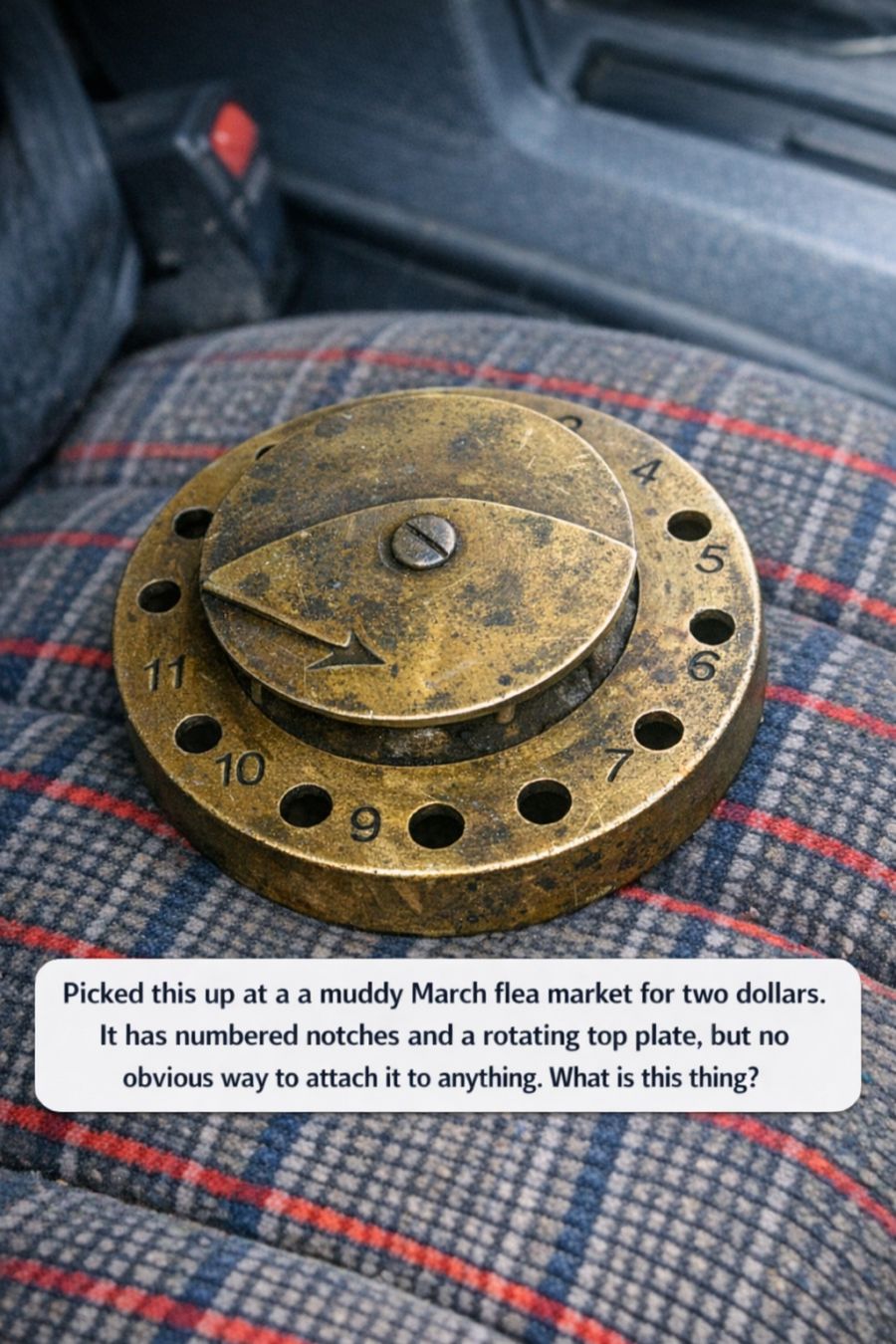
6. Decoding the Numbered Notches and Seed Settings
Each notch on the seed dial corresponded to a specific setting, often marked by a number or symbol. These notches were carefully calibrated to match common seed sizes and planting requirements.
Understanding the notches required familiarity with the specific dial's design, as manufacturers often had their own systems. However, a common approach was to use larger numbers for larger seeds or greater planting depths, providing a logical and intuitive way for farmers to use the tool effectively.
7. Variations in Seed Dials: Crops, Makers, and Eras
Seed dials varied widely depending on their intended use, the manufacturer, and the era in which they were produced. Some dials were designed for specific crops, such as corn or wheat, while others offered more general use.
Different manufacturers might include additional features or markings unique to their brand, making each dial a unique artifact of its time. Collectors often seek out these variations, looking for rare models or those associated with particular agricultural developments.
8. How to Tell If Your Seed Dial Is Complete and Original
Determining the completeness and originality of a seed dial involves examining several key features:
-
All numbered notches should be present and legible
-
The rotating top plate should move smoothly
-
Look for maker's marks or engravings, which are common on vintage tools
-
Wear and patina consistent with age can indicate authenticity
-
The quality of the brass used in its construction is another important clue
9. What a Two-Dollar Find Like This Is Really Worth
The value of a vintage seed dial can vary significantly based on its condition, rarity, and historical significance. While a common model might fetch modest sums, rarer examples from notable manufacturers or with unique features can be quite valuable.
For a two-dollar investment, the find could be worth anywhere from a few dollars to several hundred, particularly if it is in good condition and has historical relevance. Regardless of monetary value, the cultural and educational worth of such a tool is significant, offering a tangible connection to agricultural history.
Publicité