🌿 Summary Table
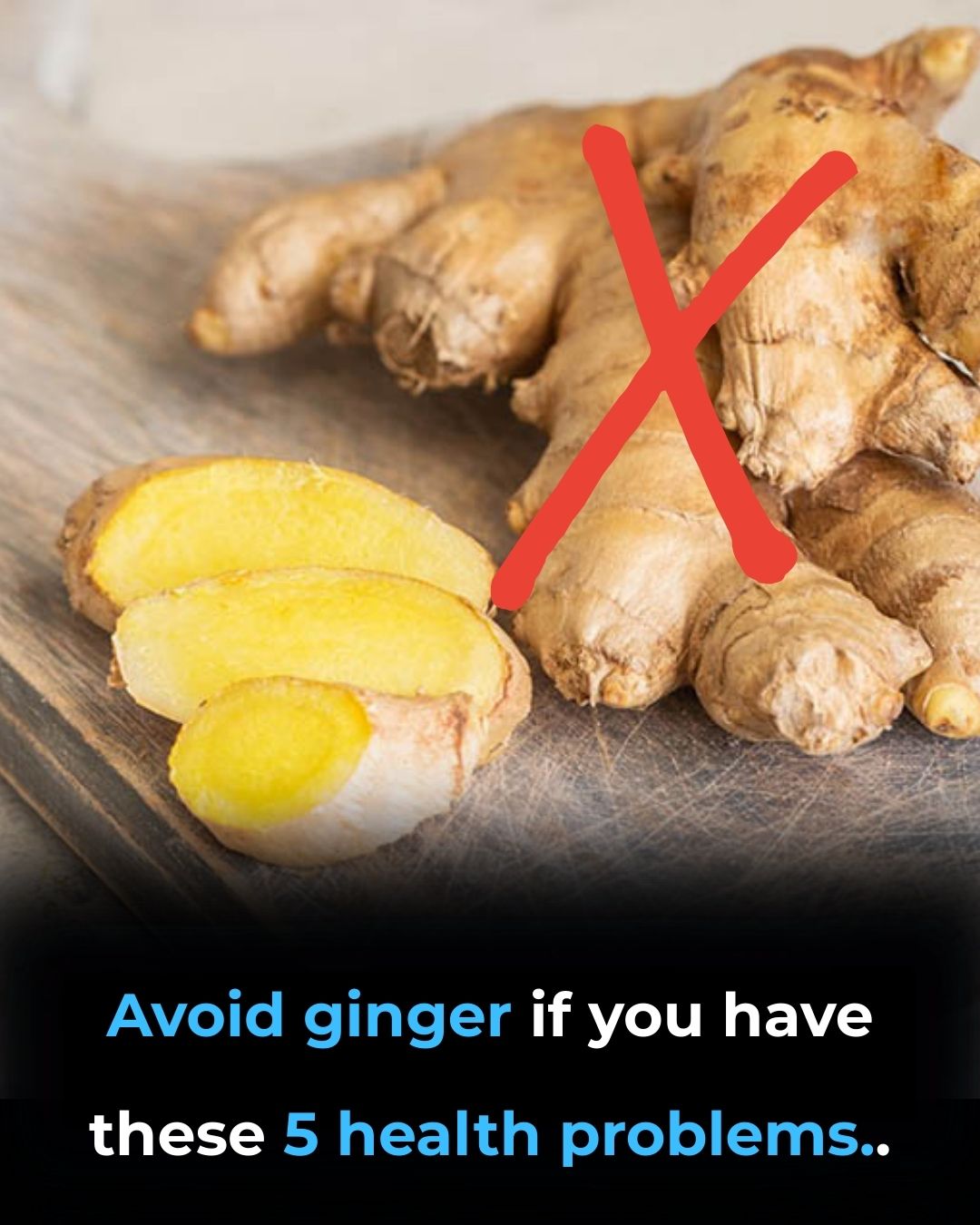
| Condition | Why Ginger Is Risky | Healthier Alternative |
|---|---|---|
| Bleeding disorders | Increases bleeding risk | Turmeric (small amount), vitamin K foods |
| Diabetes | May cause low blood sugar | Green tea, cinnamon tea |
| Heart disease | Can affect heart rhythm | Garlic, omega-3 oils |
| Pregnancy (late stage) | May trigger contractions | Lemon water, peppermint tea |
| Gallstones / Ulcers | Increases bile and acid | Chamomile tea, aloe vera juice |
💡 General Tips for Better Health
-
Eat a balanced diet rich in colorful fruits, vegetables, and whole grains.
-
Stay hydrated — drink at least 6–8 glasses of water per day.
-
Avoid excessive caffeine, sugar, and processed foods.
-
Get regular exercise, manage stress, and aim for at least 7 hours of quality sleep.
Final Thoughts
Ginger is a remarkable natural remedy with powerful benefits — but it's not for everyone. Even natural foods can have strong effects on the body, especially when combined with medications or existing health conditions.
The key is awareness and moderation. By understanding how ginger interacts with your unique health situation, you can make informed choices that support your well-being without unintended risks.
When in doubt, always consult a healthcare professional before making significant changes to your diet — especially if you're managing a chronic condition or taking prescription medications.
Because true wellness isn't about following trends. It's about listening to your body — and giving it exactly what it needs.