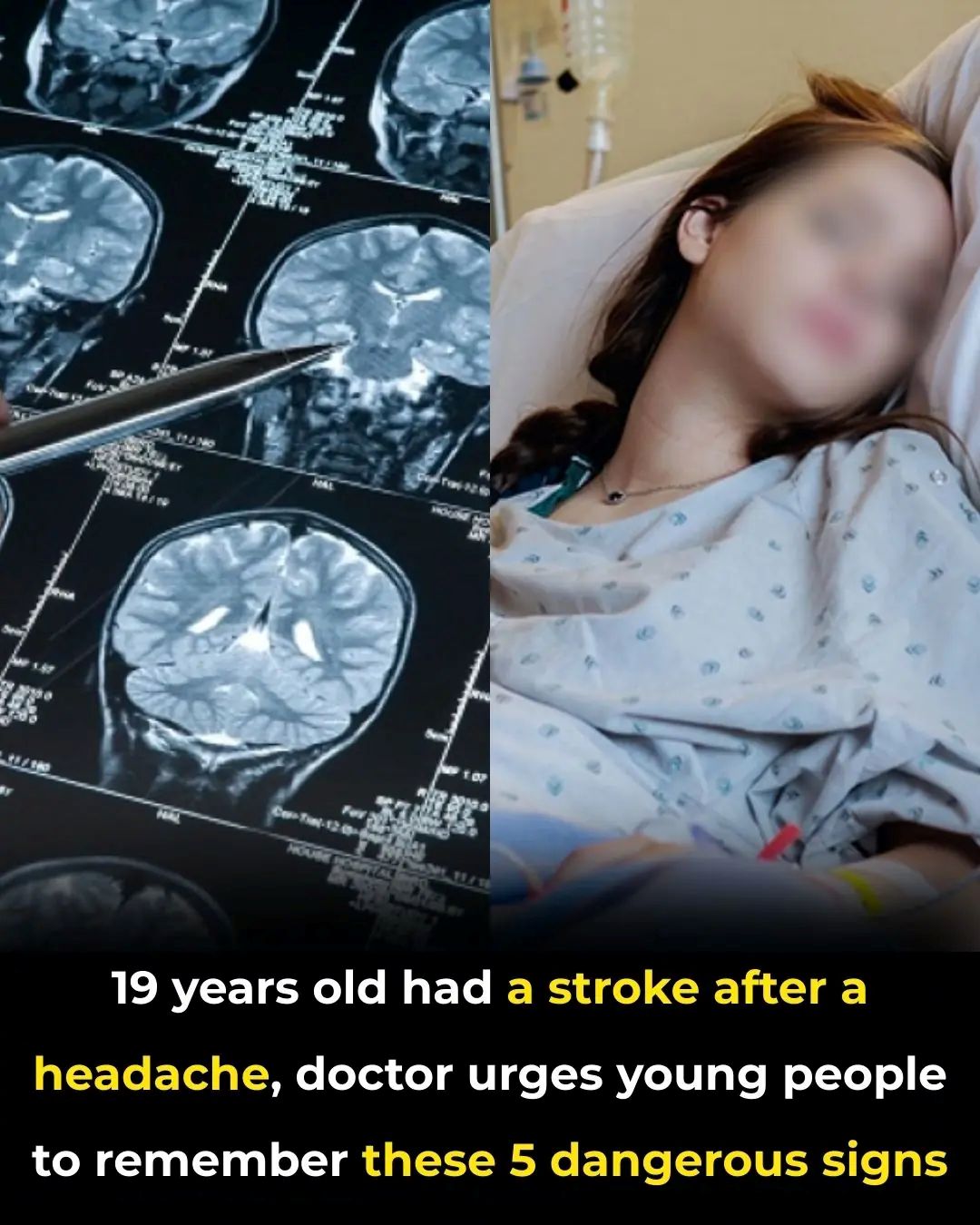
What to Do If You Suspect a Stroke
⏱️ Time is brain.
Every minute a stroke goes untreated, up to 2 million brain cells die. If you or someone near you shows any of these signs:
-
Call emergency services immediately (911 or your local emergency number)
-
Note the time when symptoms first appeared—this is critical for treatment decisions
-
Do not drive yourself to the hospital—ambulance crews can begin life-saving care en route
-
Do not wait to see if symptoms improve—they rarely do on their own
Why Strokes in Young People Are Often Missed
Many young people—and even healthcare providers—dismiss stroke symptoms as:
-
Migraines
-
Anxiety attacks
-
Vertigo
-
Simple fatigue or stress
This delay in recognition can be fatal. If something feels wrong—suddenly and severely—trust your instincts and seek help.
Risk Factors for Stroke in Young Adults
While some strokes are unavoidable, many risk factors can be managed:
| Controllable Risk Factors | Non-Controllable Risk Factors |
|---|---|
| High blood pressure | Family history of stroke |
| Smoking | Being over 45 (though strokes occur younger) |
| Diabetes | Previous stroke or TIA ("mini-stroke") |
| High cholesterol | Certain genetic conditions |
| Physical inactivity | |
| Obesity | |
| Drug use (especially cocaine and amphetamines) | |
| Birth control pills (especially in smokers) |
Publicité